
Egyptian Vulture Neophron percnopterus
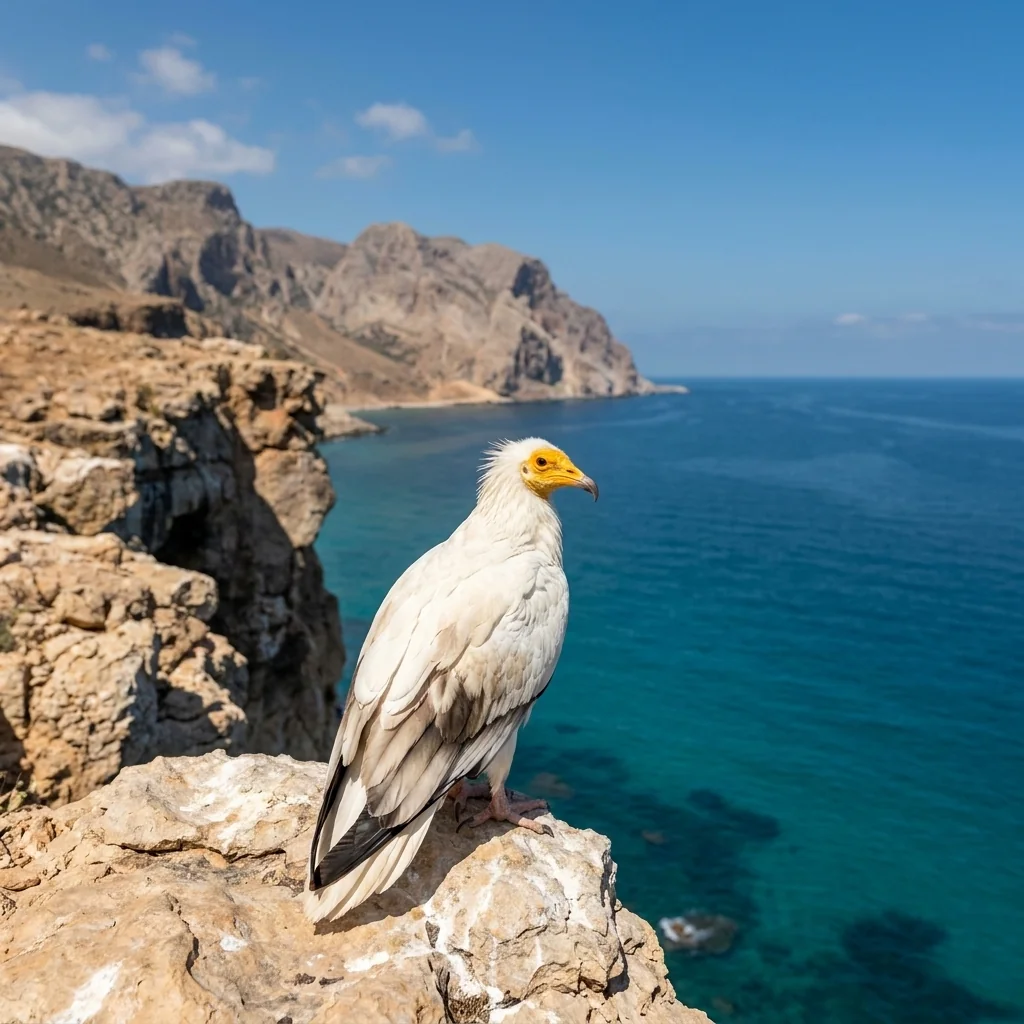
Socotra supports the highest recorded density of Egyptian Vultures anywhere in the world, an extraordinary concentration of a species that is Endangered across its range in Europe, Africa, and South Asia. The island functions as a refuge: stable year-round food sources (fish offal from fishing villages, carrion), minimal human persecution, and abundant nesting cliffs create near-ideal conditions.
Adults are immediately recognisable: white plumage, bare yellow facial skin, and a wedge-shaped tail. Juveniles are brown, darkening progressively through a 5-year maturation period. They are highly intelligent, one of the few bird species documented using tools, dropping stones onto eggs to crack them.
Found across the entire island but most reliably spotted near coastal cliffs, fishing harbours (Hadibo, Qalansiyah), and elevated rocky areas (Arher cliffs, Hoq Cave approach). They are not shy of humans and will approach camps when food scraps are present. Shoab Beach, accessed by boat, often has individuals working the cliff faces above the landing point.
Where to see it
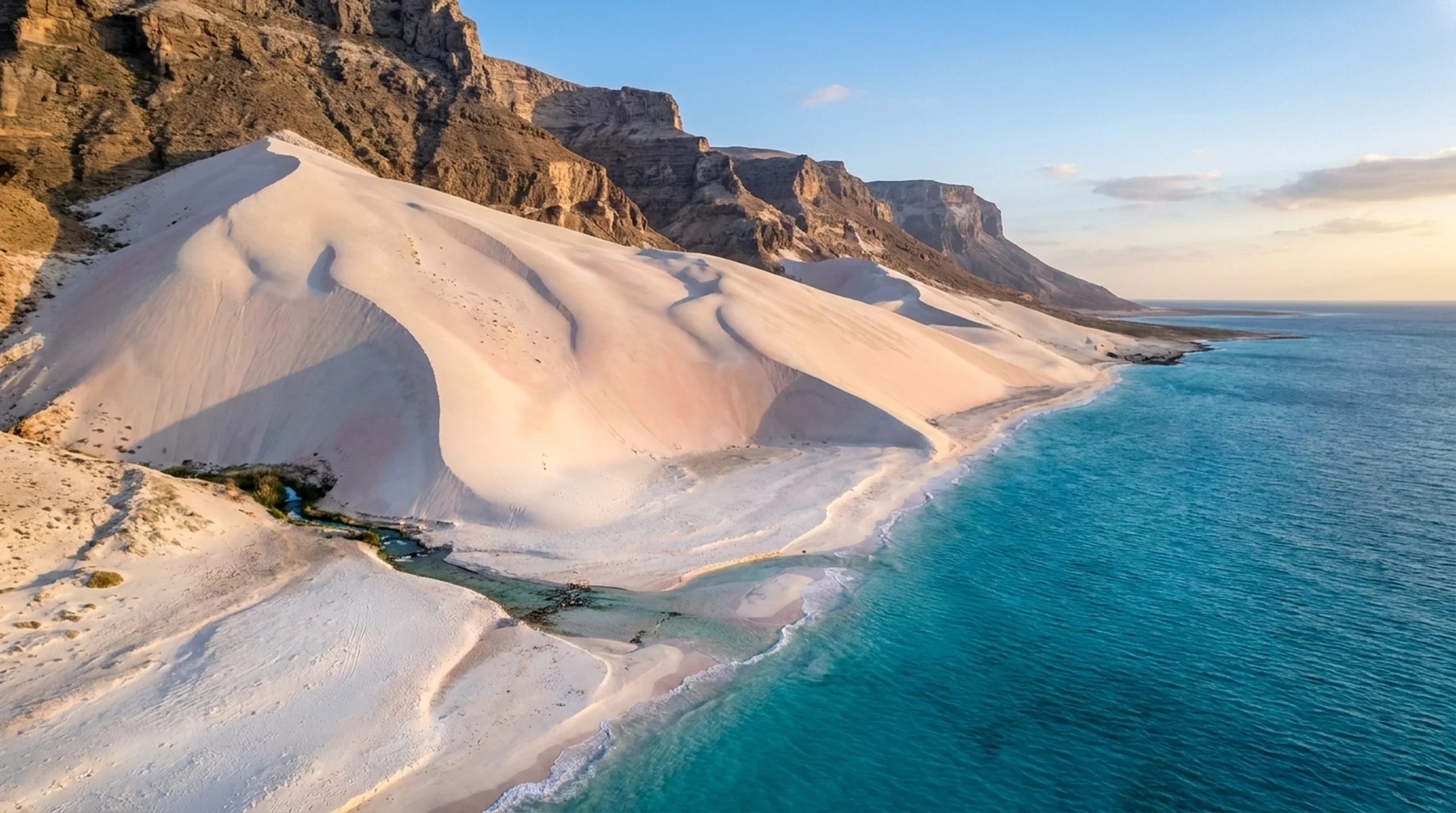
Arher Beach & Dunes
dunesCoastal cliffs and dune ridges; also present over the harbour at Qalansiyah below

Hadibo
villageFishing harbour attracts foraging individuals; morning fish offal is the draw
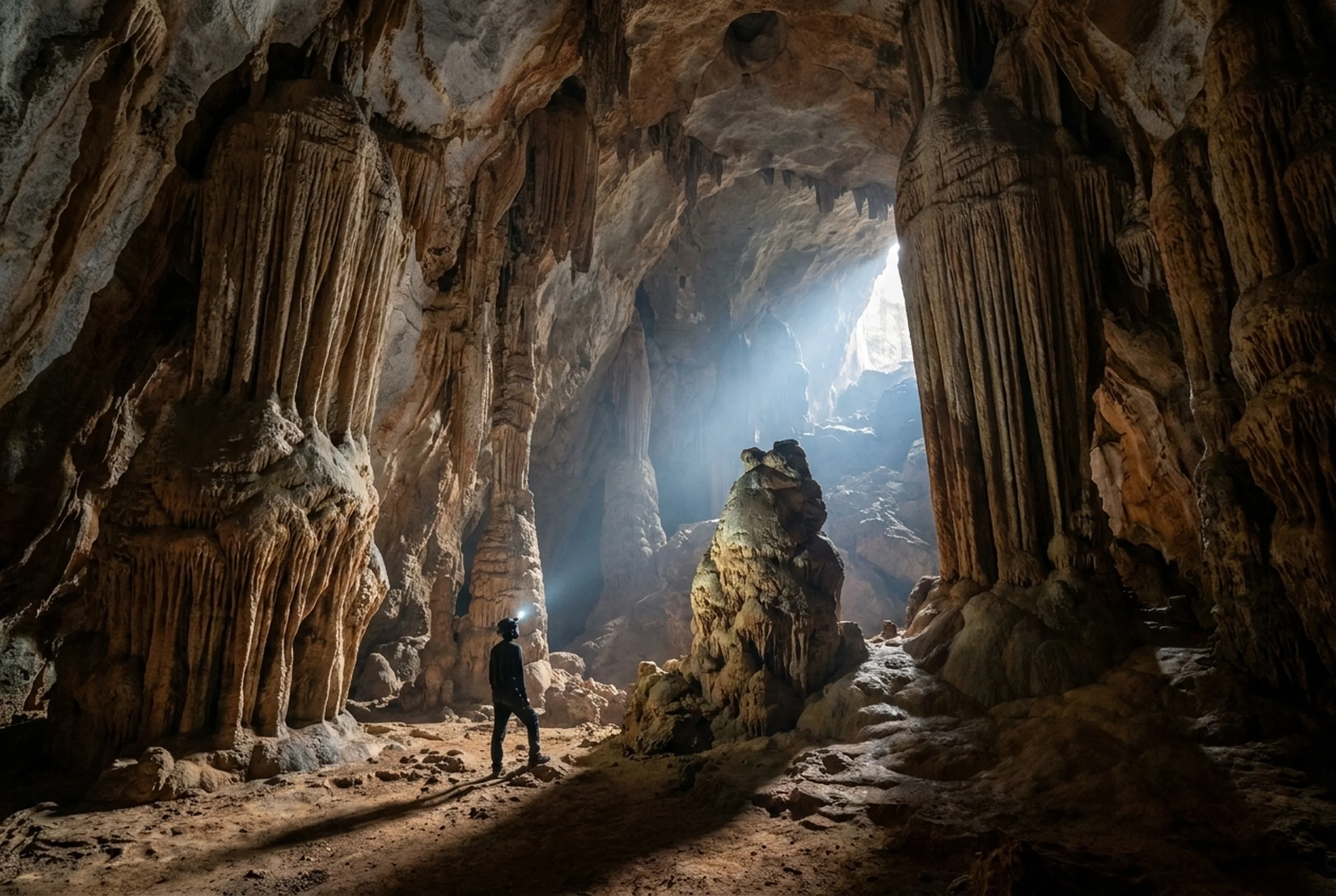
Hoq Cave
caveCliff faces above the cave entrance; reliable soaring individuals in mid-morning thermals

Ras Erissel
viewpointEastern cape cliff faces; individuals soar the updrafts and work the rocky shoreline

Rosh Cape
viewpointNortheastern cape cliff updrafts; reliable foraging and soaring individuals in mid-morning
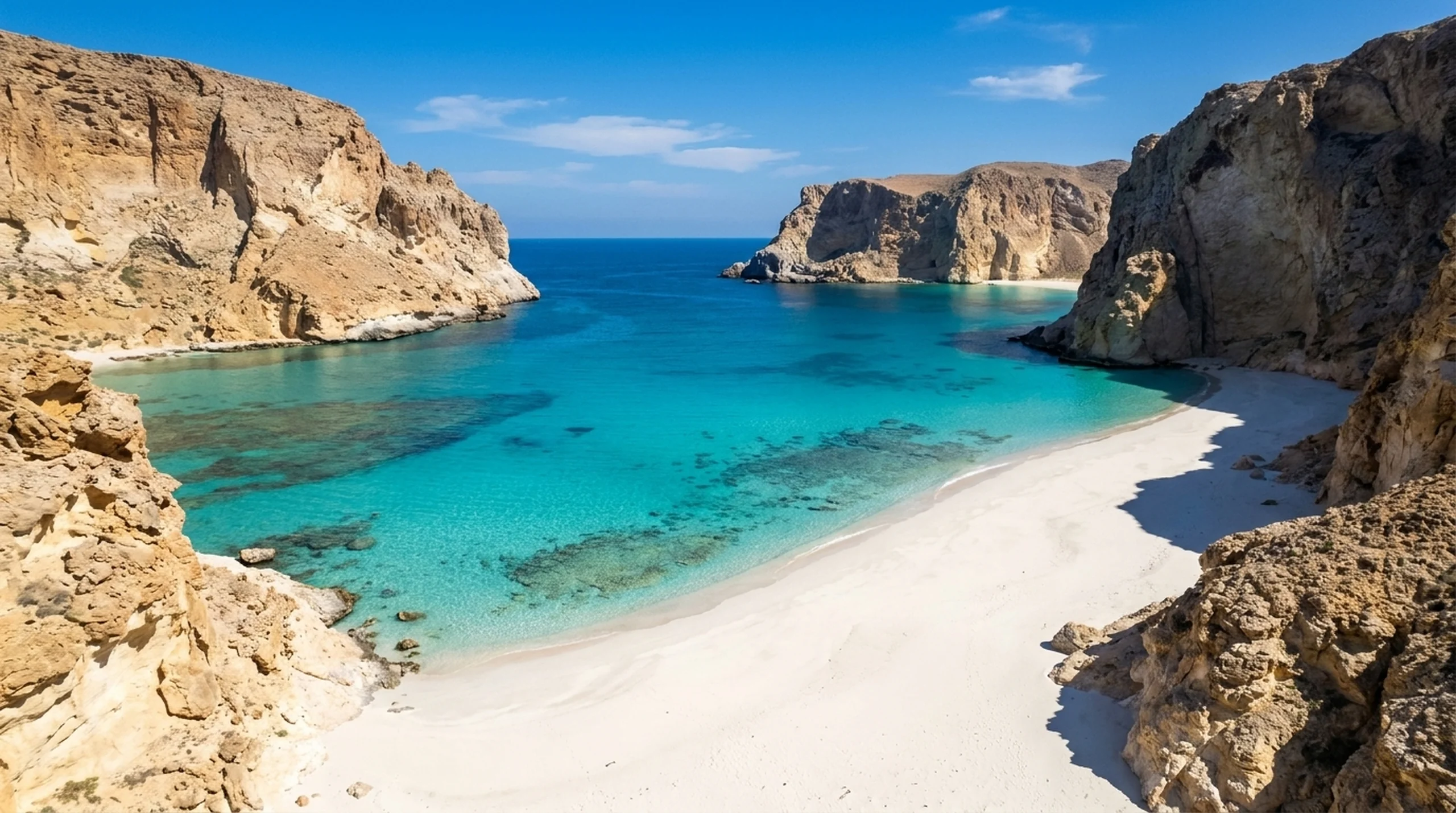
Shoab Beach
beachCliff faces above the beach landing; commonly seen working thermals along the headland

Skand Peak
mountainSummit thermals from 09:00 onward; one of the most reliable soaring raptor sites on the island
Planning a trip?
Photographing it
Most accessible near Hadibo fishing harbour, where individuals work morning fish offal: tolerates very close approach from the dock. For flight shots: Arher Beach cliffs and Hoq Cave headland produce soaring individuals on morning thermals; 500-600mm captures spread primary feathers clearly. The wedge-shaped tail is the diagnostic field mark in flight. White adult plumage is very bright in midday sun. Expose -1 stop or shoot in soft overcast for feather texture detail. Juveniles are all-brown; photograph any large soaring raptor and check later.
Worth knowing
One of the very few bird species documented using tools: Egyptian Vultures drop stones onto large eggs, like ostrich eggs, to crack them open. This behaviour was first filmed in the wild in the 1960s and remains one of the clearest examples of tool use by a non-primate animal.
Conservation status
Endangered (IUCN) globally. Socotra holds the highest recorded density of Egyptian Vultures anywhere in the world, a critical refuge population for a species under severe pressure on its continental range. Globally threatened by diclofenac poisoning of livestock carcasses (veterinary use), electrocution on powerlines, and direct persecution. Socotra's isolation and minimal human impact make it one of the most significant strongholds remaining.