
Socotra Bunting Emberiza socotrana
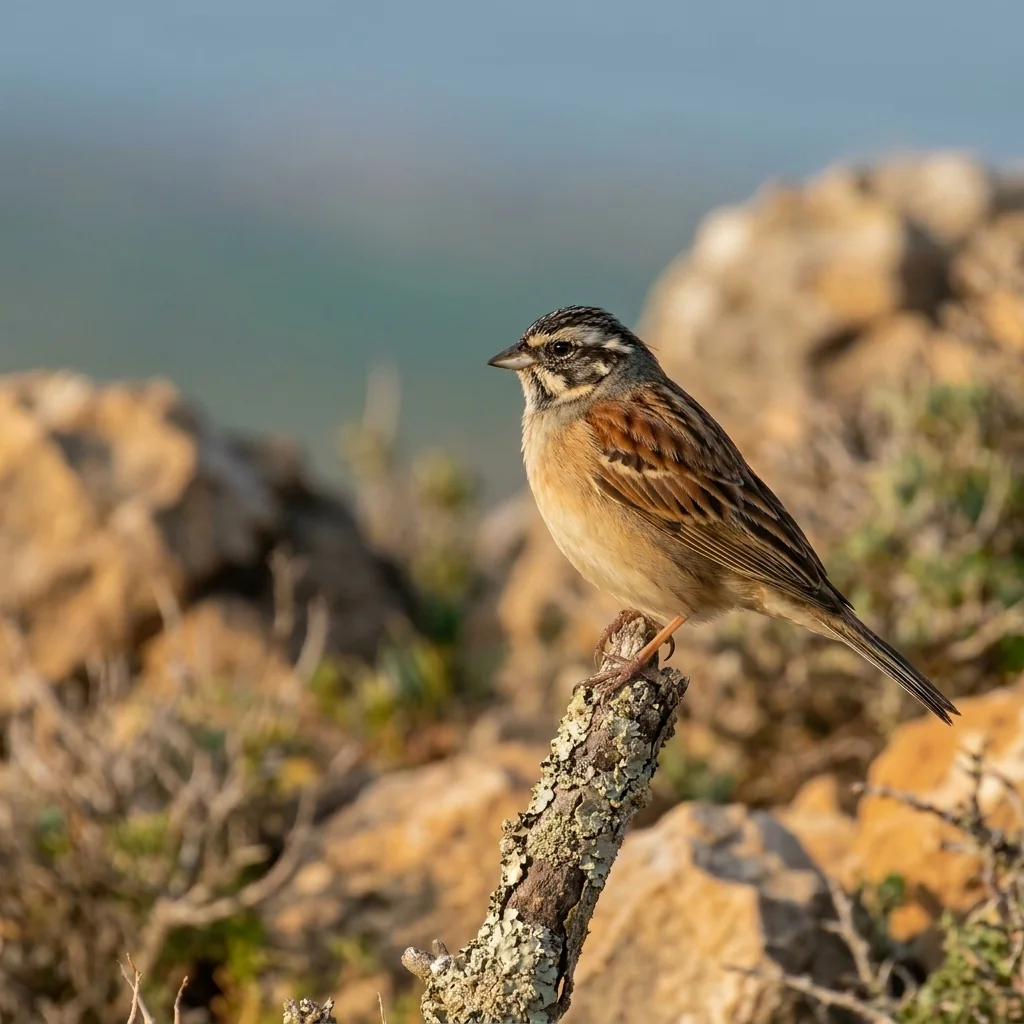
An endemic bunting with an estimated global population of approximately 1,000 pairs, placing it firmly in Endangered territory on the IUCN Red List. The male is distinctive: a chestnut back, pale underparts, and a white-flecked head pattern. The female is streaked brown, less immediately identifiable in the field.
It is the most endangered bird endemic to Socotra. Threats include habitat degradation from overgrazing in the highland zones, and, long-term, reduced cloud cover affecting the montane scrub vegetation it depends on for nesting. The population has not been formally surveyed since the early 2010s; actual numbers may be lower.
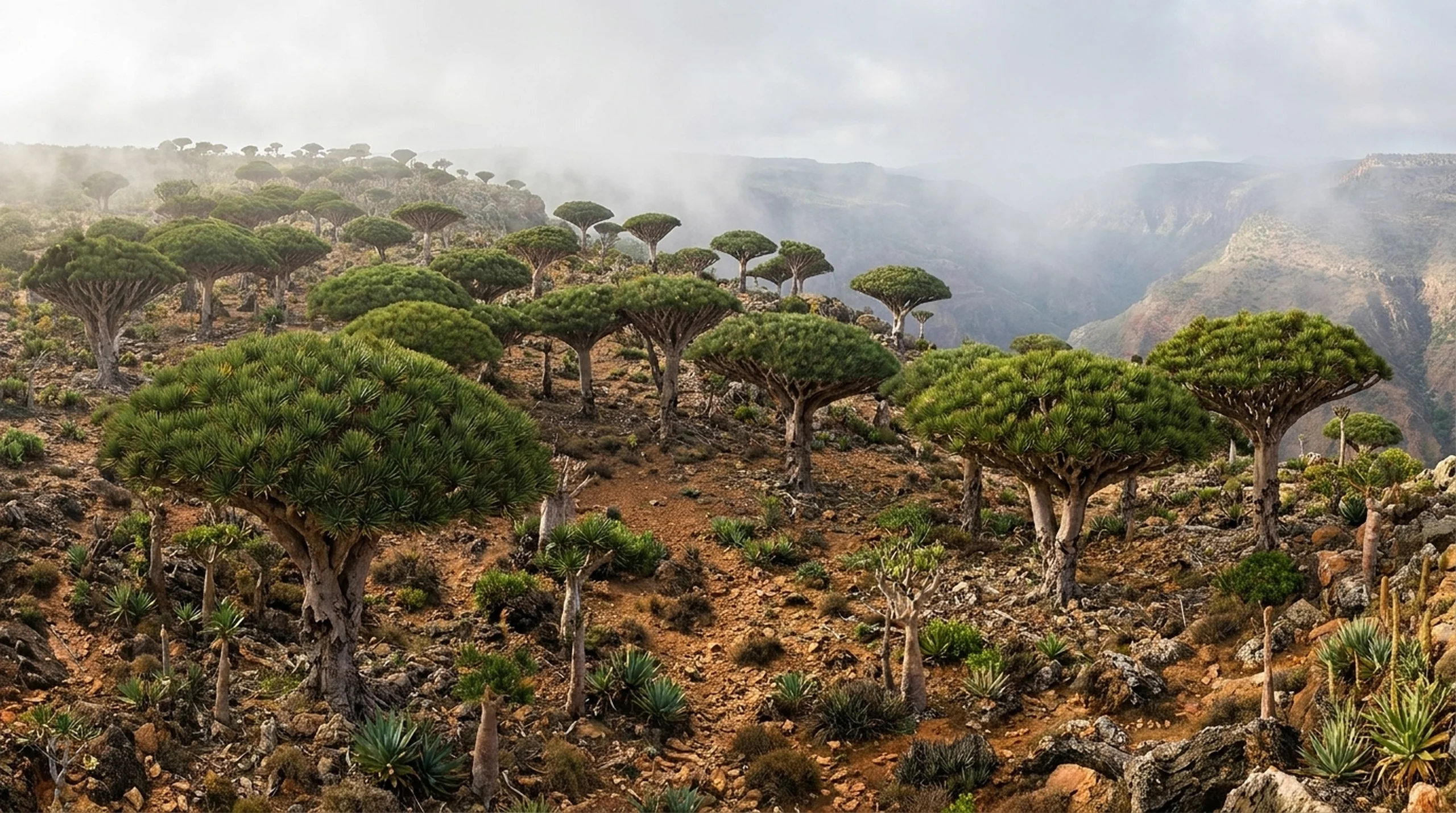
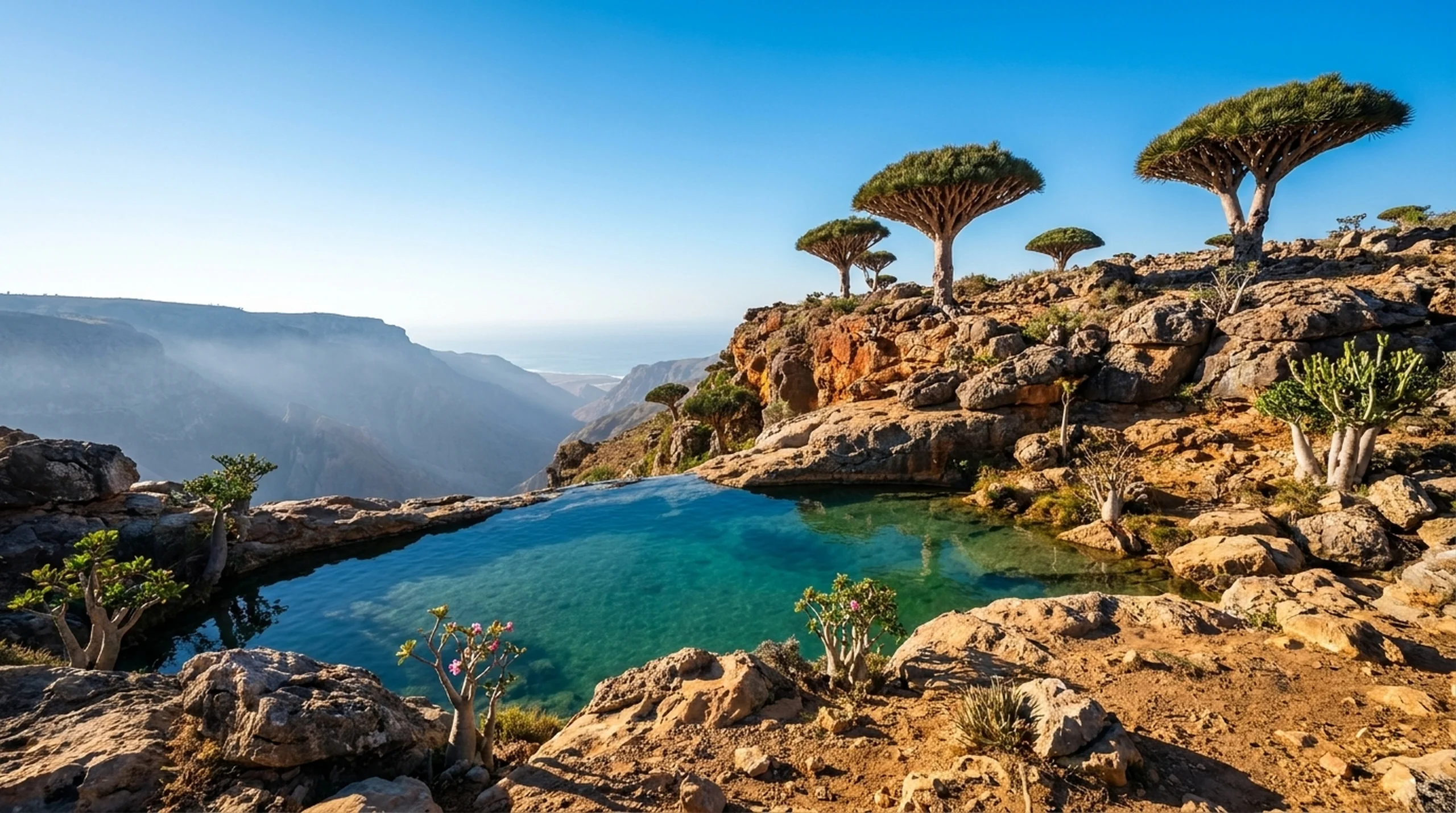
Found in highland scrub and rocky slopes above 500m. Diksam Plateau and Homhil Protected Area are the primary accessible sites. Dawn is the most productive time: the males sing persistently from exposed perches in the early morning. A 400-600mm lens is needed for usable images; the birds are wary and do not tolerate close approach.
Where to see it

Planning a trip?
Photographing it
Dawn is the only productive window: males sing persistently from exposed scrub perches in the first hour after sunrise, then fall silent. 400-600mm telephoto. Position on the high side of a slope to shoot across at eye level rather than looking up. The chestnut back is the key field mark to nail in focus; the head pattern requires good light. Wary. Approach very slowly and stop frequently. Males flush and resettle; wait in position rather than chasing.
Worth knowing
With roughly 1,000 breeding pairs and a range limited to a single island, the Socotra Bunting is one of the rarest birds accessible to independent travelers anywhere in the world, yet most visitors to Diksam Plateau walk past it without knowing it exists. There is no dedicated conservation program for it.
Conservation status
Endangered (IUCN). Estimated ~1,000 breeding pairs globally, all on Socotra. Population not formally surveyed since the early 2010s; actual numbers may be lower. Primary threats: highland scrub degradation from overgrazing and long-term climate-driven reduction in cloud cover affecting montane vegetation. No captive breeding program.