
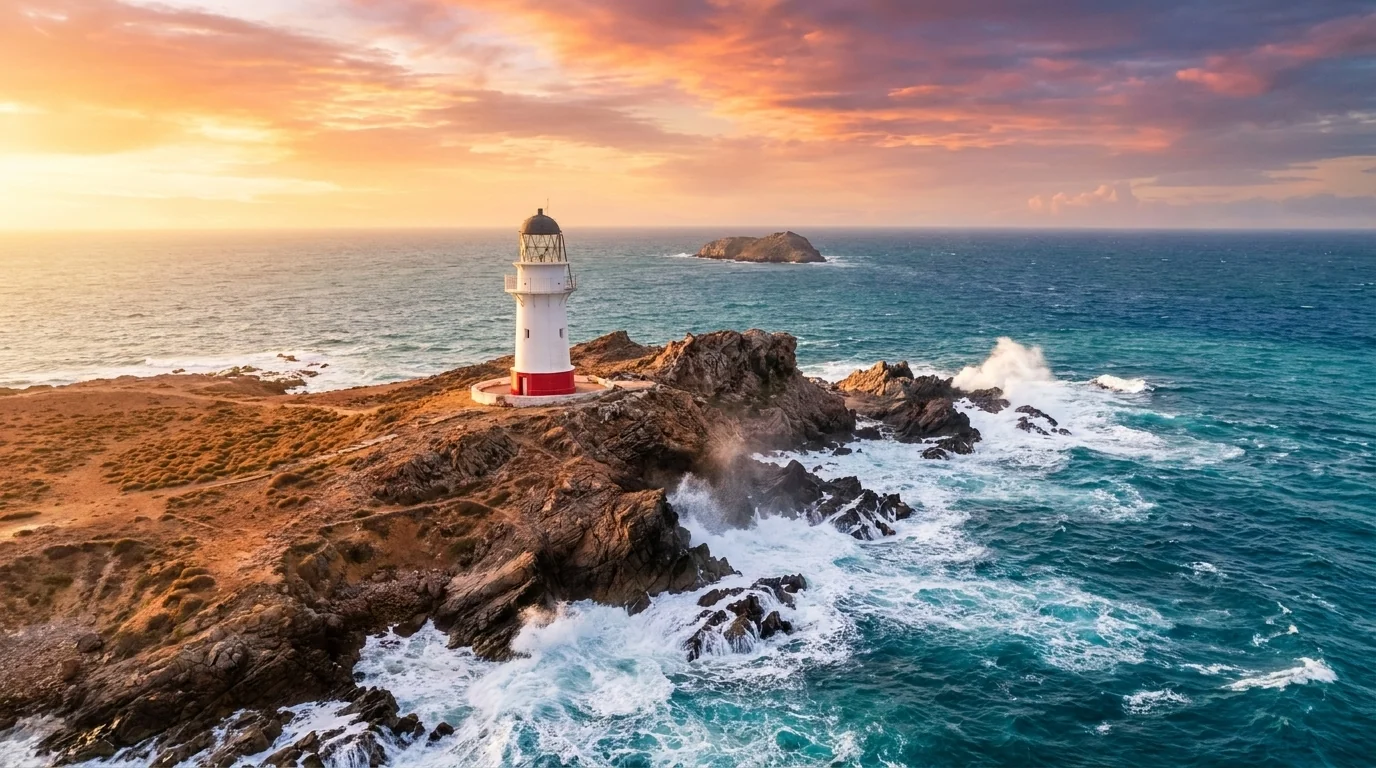
Ras Erissel
The easternmost point of Socotra where the Indian Ocean meets the Arabian Sea — amphibolitic bedrock at the tip of the island. The beach is littered with whale bones and puffer fish spines. The artisan fishing village of Erissel is nearby, where women craft traditional hebia belts.
01
Why it's special
The two-sea convergence, the whale bone installations, and the artisan craft documentation make this one of the most multi-layered photography subjects on the island. Dawn light facing east is exceptional.
02
What to expect
The easternmost point of Socotra where the Indian Ocean meets the Arabian Sea — amphibolitic bedrock at the tip of the island. The beach is littered with whale bones and puffer fish spines. The artisan fishing village of Erissel is nearby, where women craft traditional hebia belts.
03
Reality check
Fully exposed eastern cape with high wind. A 4x4 track reaches the cape. Avoid disturbing nesting seabirds during breeding season.
Photography Intelligence
Shoot it right.
The case for Ras Erissel
Best at sunrise — the first warm light is the whole point · drone is allowed but wind kills most flights past mid-morning · avoid midday when wind and harsh light combine.
Best time to shoot
Sunrise — eastern cape, direct dawn light on the amphibolitic rock face
Sunrise or sunset?
Primary session. Two-sea convergence backlit. Whale bone installations with ocean behind them. Rocky surge channels for seascape.
Light direction notes
Easternmost point of Socotra. Sunrise directly ahead. The rock face and sea surface are simultaneously front-lit at dawn.
Drone timing
Open headland allows drone launch. Fly along the cape edge at low altitude for the point-of-land-against-two-seas composition. Avoid nesting seabird zones at cliff faces.
Conditions to avoid
Midday sun flattens contrast and burns out highlights; strong afternoon wind disrupts long exposures and grounds drones; outside oct, nov, dec, jan, feb, mar, apr, conditions become unreliable.
Composition tips
Dawn sequence: start at the water edge facing east for the two-sea convergence in backlighted conditions, then rotate to work the whale bone installations with ocean light behind them. Artisan craft documentation (women weaving hebia belts in the village) is the human-interest layer — coordinate with your guide in advance.
Lens suggestions
Bring a versatile zoom — a 24–105 covers most scenes here.
Reality check
Dawn light facing east is exceptional on the rock face and sea surface simultaneously. The whale bone installations scattered on the beach are surreal and genuinely photogenic — approach them as found art. Two-sea convergence long-lens compression: the choppy texture where Indian Ocean meets Arabian Sea is visible in good conditions with a 400mm+ lens.
Coming soon·Sun-path overlay with date-aware azimuth and elevation per location.
FAQ
About Ras Erissel
What is Ras Erissel known for?+
What time of day is best at Ras Erissel?+
What months can you visit Ras Erissel?+
Can you fly a drone at Ras Erissel?+
Do you need a guide to visit Ras Erissel?+
Is Ras Erissel safe to visit?+
What should you know before visiting Ras Erissel?+
Keep reading
Related guides
Is Socotra safe to visit?
Socotra is not mainland Yemen, and violence has not reached the island. But in January 2026 armed conflict on the mainland grounded flights and stranded hundreds of tourists for days. That is the real risk, and it is not weather.
Read
The best time to visit Socotra
October through April is the only realistic window. From May to September the Khareef monsoon brings sustained 50-knot winds and most operators shut down. February and April are the two best months.
Read
Cost of a Socotra trip
Packages start around $1,300 per person for eight days, plus roughly $950 to $980 for the weekly Jeddah charter. A realistic all-in figure is $3,000 to $4,000 before international flights.
Read
Have a photo of Ras Erissel?
Submit it to the gallery — we credit you with a link to your site and Instagram.