
Cucumber Tree Dendrosicyos socotranus
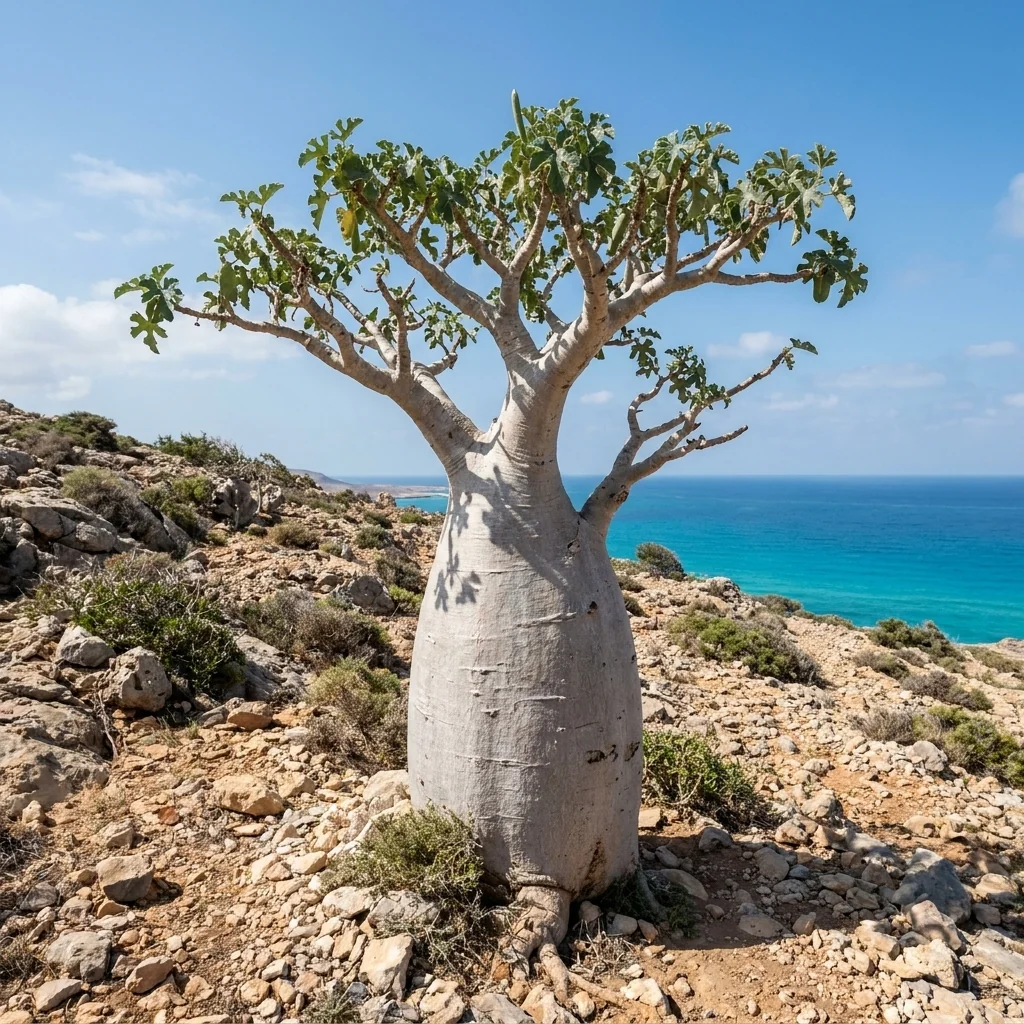
The only tree-forming member of the cucumber family (Cucurbitaceae) on Earth, a fact that makes it one of the more improbable plants in existence. Elsewhere in the world, cucumbers, melons, and squashes grow as vines or ground-level plants. On Socotra, one member of the family evolved into a swollen-trunked tree reaching 5 to 6 metres, with a pale bloated trunk that stores water through the dry season.
The trunk is the defining feature: smooth, pale grey, and almost comically wide relative to the sparse canopy above. Locals call it the bottle tree, though that name is also applied to Adenium obesum socotranum (a separate species). The easiest way to distinguish them: Dendrosicyos has a distinctly cucumber-like leaf shape and small yellow flowers; Adenium produces striking pink flowers directly from bare branches.
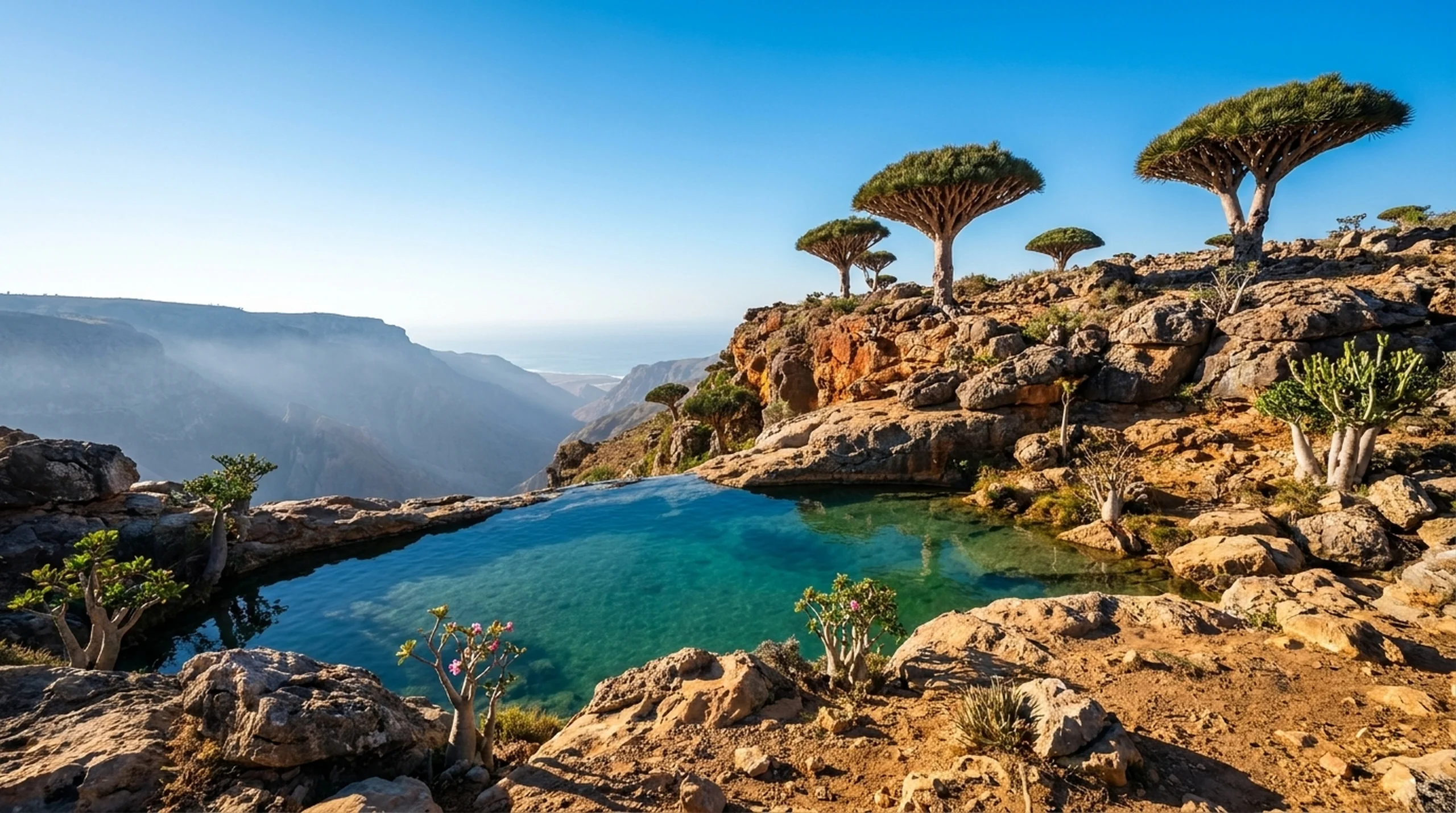
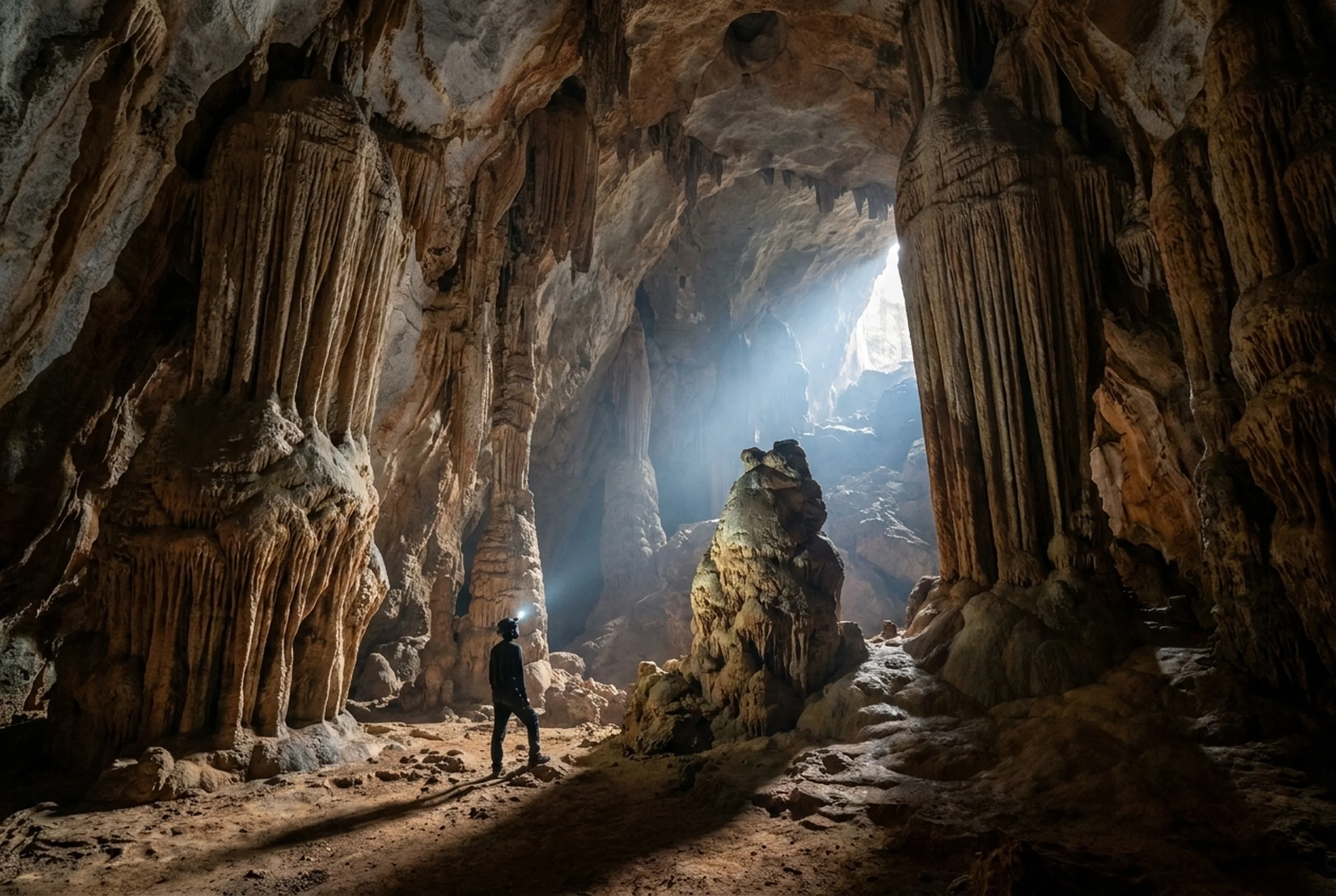
Found on rocky hillsides and wadi walls across the limestone plateau zones. Hoq Cave's approach path has several specimens. Wadi Klisen Canyon walls support small populations growing directly from cliff cracks.

Planning a trip?
Photographing it
Shoot from low and close to the base with a wide-angle (16-24mm) lens to emphasize the swollen pale trunk against sky or canyon walls. Hoq Cave approach has specimens growing from rock crevices: frame with the stone texture for graphic contrast. The sparse canopy means little shade; late afternoon side light reveals bark detail. Include a person for scale. The trunk width surprises most visitors. Do not confuse with Socotra Bottle Tree (Adenium): the Cucumber Tree has distinctly cucumber-shaped leaves and small yellow flowers, not the Adenium's vivid pink blooms.
Worth knowing
Every other member of the cucumber and squash family (Cucurbitaceae) on Earth grows as a vine, creeper, or ground-level plant. Socotra's 20 million years of isolation produced the sole exception, a full-sized tree. There is no other tree in the cucumber family anywhere on the planet.
Conservation status
Vulnerable (IUCN). Occurs only on Socotra. Primary threats are overgrazing that prevents seedling establishment and limestone quarrying near coastal lowland populations. No species-specific conservation program exists; protected indirectly under UNESCO World Heritage status.